Reading Land for Bowhunting Whitetails
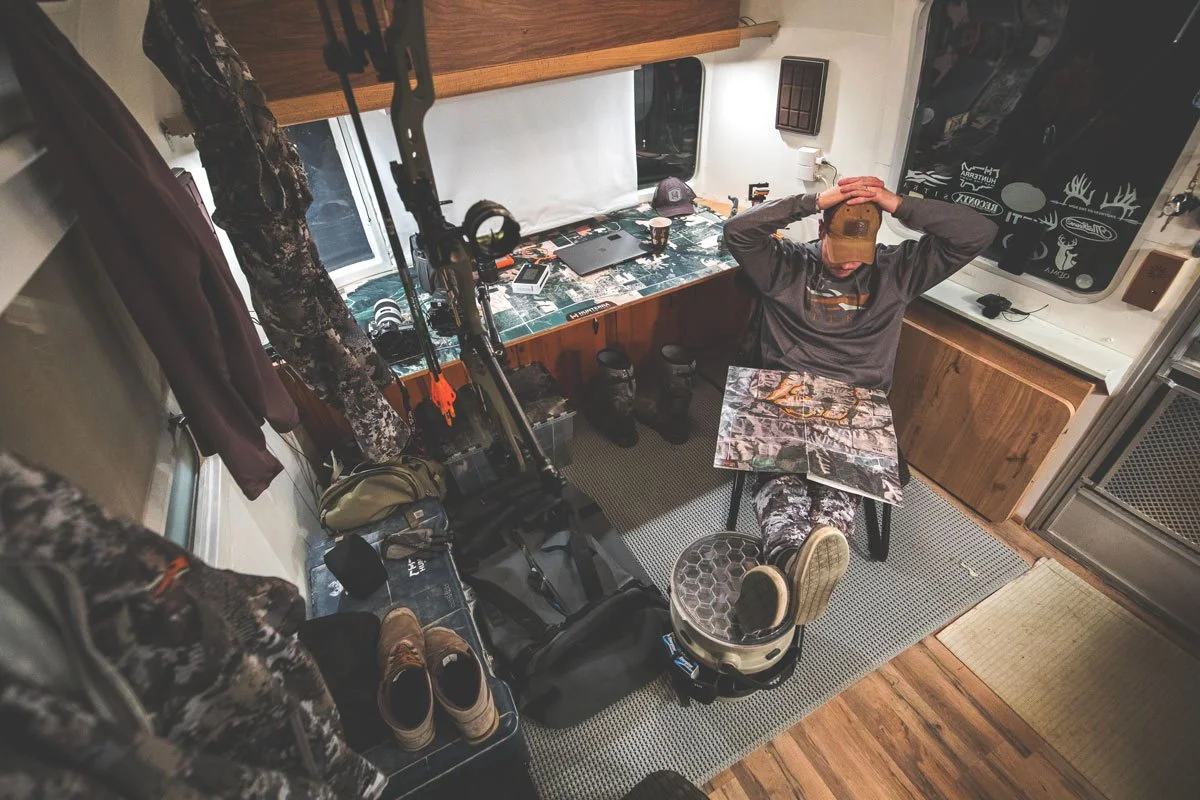
A mature whitetail doesn’t move randomly. Every step he takes is tied to cover, food, wind, and security. The hunters who stay ahead of those patterns aren’t guessing—they’re reading the land. When you understand how habitat and topography influence movement, those adrenaline-filled moments after releasing an arrow become predictable instead of rare luck.
Edge = Change
I look at “edge” as where change occurs. Deer relate to change, whether it’s hard habitat edges or a subtle terrain feature. When the right kinds of change stack together—cover, food, elevation, and wind advantage—you start to see why a buck prefers one line of travel over another.
Habitat change is the most obvious place to look. Wherever one type of cover meets another, deer will use that transition to travel, feed, and communicate. Timber meeting a grass field, an open field blending into a band of brush, a saddle on a ridge—these are areas that offer change. They provide security and variety, and deer naturally gravitate to them.
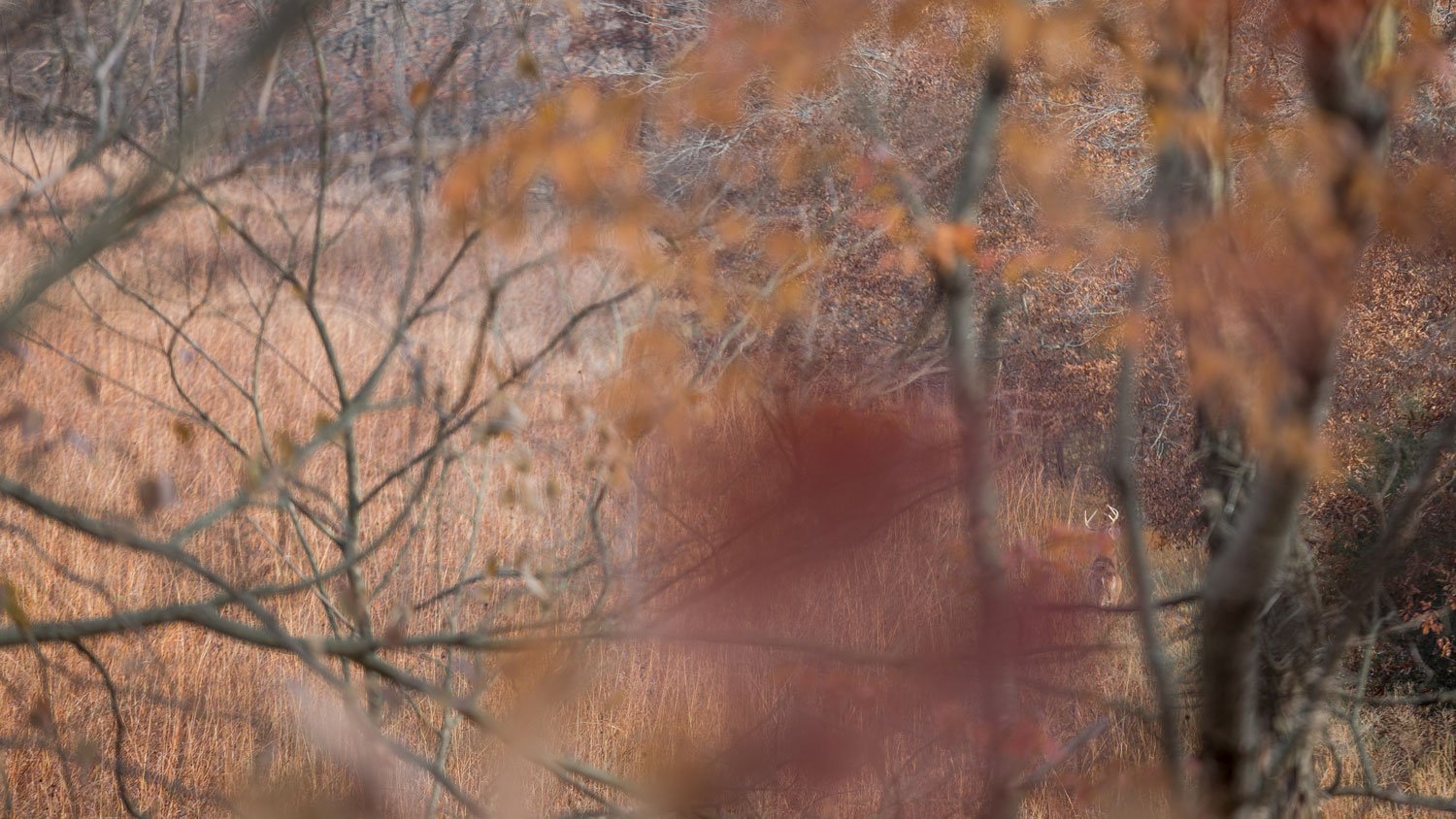
This buck isn’t aimlessly walking through the grass, he’s traveling along the edge.
Stem count variation is a feature that can be overlooked. The world a deer lives in exists below four feet, not in the canopy. Tall grass, briars, and young tree saplings provide daytime security cover. High stem count habitat usually holds more deer because it hides them better than open forest and certain types offer browse. Mature bucks spend daylight hours in these types of places. Pick the toughest to-get-to areas that have good cover, and you’ll find places they like to stay.
Other Types of Edge
Other types of edge matter just as much. Brushy fence lines, parts of a winding creek bottom, hedgerows, terrain features are all natural movement magnets. They’re also places deer feel comfortable letting their nose do the work, especially during the rut. When you find these edges intersecting, you’ve found a place worth hunting.
Many hunters assume timber equals cover, but the canopy doesn’t matter nearly as much as what’s happening at ground level. Bucks trust low, thick, young cover that keeps them hidden and lets them feed with minimal exposure. Of course, the potency of the thickest cover is related to the amount of hunting pressure around. Unpressured deer are less picky about the quality of cover compared to high pressure places.
Terrain Shapes Travel
Terrain is a crucial part of the equation, because it influences deer movement just as much as it should influence where and where you don’t hunt. Elevation gives a buck visibility and a wind advantage, and he’ll use that to stay put and observe, or travel efficiently.
Ridges, saddles, benches, spurs, and draws create predictable patterns. Bucks often bed on the ends of ridge spurs where they can see downhill and smell what’s behind them. They seem to travel slightly off the top of a ridge, most likely because it keeps them hidden while still giving them an easy line of travel.
Draws are one of the most reliable terrain features you can hunt. Trails usually cross at the top and bottom of draws, and the steeper the draw, the more concentrated that movement becomes. These are high-value pinch points when the wind and access line up. One of my very best stand sites that I call The Barber Shop is where a small pond dam crosses a steep draw.
Inside and outside corners and subtle structure—fence points, field corners, even barely visible depressions—shape movement too. Deer follow these lines if it gives them a safe option for travel.
In Conclusion
Success comes from hunting where deer naturally spend their time—areas that give them food, cover, safety, and an efficient way to move. Your job is to find those places and hunt them without tipping them off. Hunting with favorable winds, smart access, and not burning out your best spots matter more than anything.
If you learn to read land this way—and trust what it tells you—you’ll find yourself in the right places more often. That’s the difference between hoping to see a mature buck and expecting to see one.
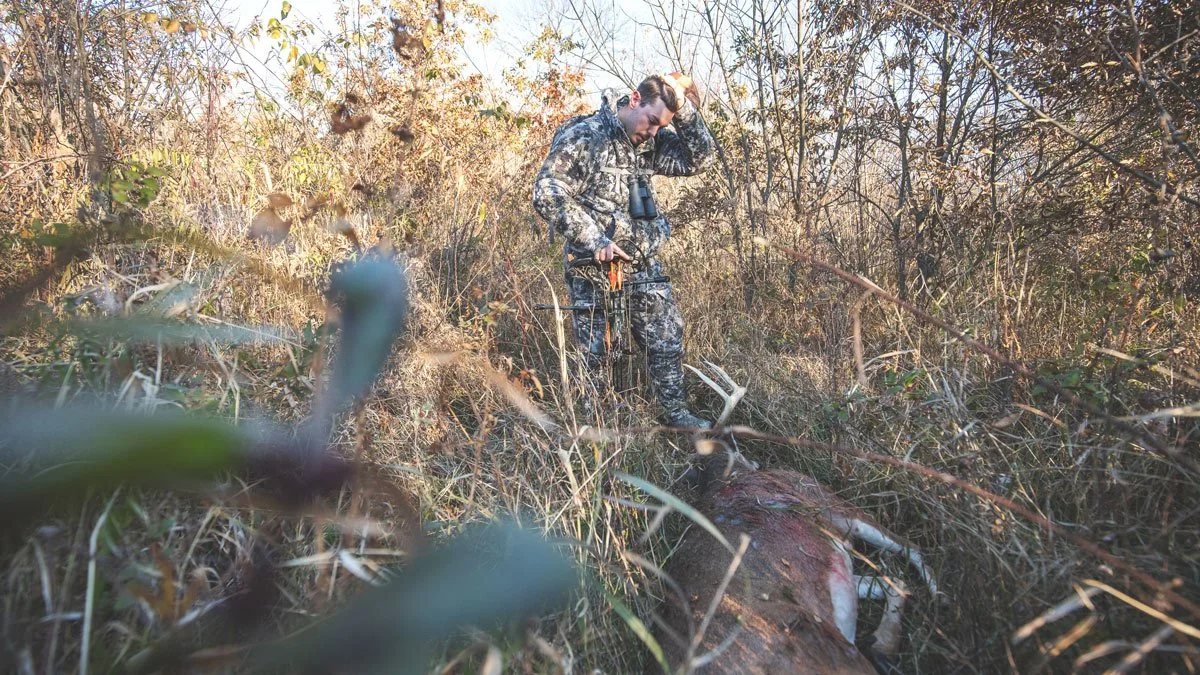
I killed this buck on a NE wind where an inside corner, open timber, and a thicket all met.