Sell a Deer Hunting Farm the Right Way
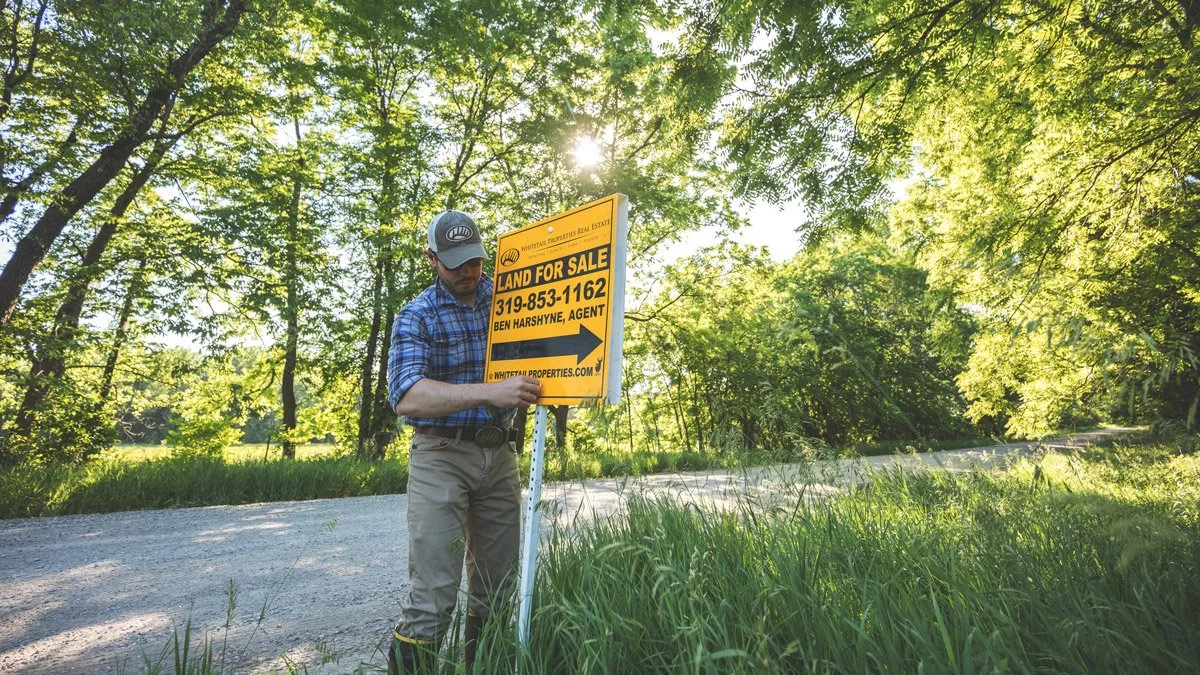
Selling a hunting property isn’t quite like selling a house in town. It’s a specialized asset with unique buyers, values, and considerations. As a Land Specialist for Whitetail Properties Real Estate who has represented hundreds of landowners and buyers across Iowa, I’m going to walk you through the considerations when you sell deer hunting land.
Understanding Value Drivers
Factors such as layout, access, habitat, and neighborhood deer management all influence per-acre value on hunting properties. Like the quality of ingredients in a recipe, they influence the final dish. These elements shape how a buyer envisions hunting the farm and whether the property has all of the components they are looking for. Improvements like food plots, trail networks, blinds, waterholes, strategic hunting site sets, and habitat enhancements add appeal to discerning buyers of recreational ground.
In my country of southern Iowa, buyers want proof of the quality of deer they can expect to have—through long-term trail camera and harvest history of big deer.
Income matters too, whether from cash rent or CRP. Make sure fields are compliant and leases don’t restrict a new owner’s flexibility. Consider terminating a multi-year lease and selling the farm “free and clear” for the coming growing season to give the next owner maximum flexibility. The highest-selling farms are those that not only look good from above, but demonstrate responsible management of all aspects of the property including the income acres.
Professional Representation
If you’re selling hunting land, working with an agent Land Specialist will supercharge your exposure and give maximum visibility to the largest number of buyers. You’ll take home more money by working with a professional agent, even after paying commission.
Would you hire a dentist to perform knee surgery—even though they’re both doctors? It’s the same idea with real estate: hire someone who lives and breathes hunting land in your area. Avoid discount agents whose “lower” commission rate are how they try to win business, which most likely reflects the level of service and reach they can offer. Selling hundreds of thousands, and many times millions of dollars of real estate, is a huge moment in your life.
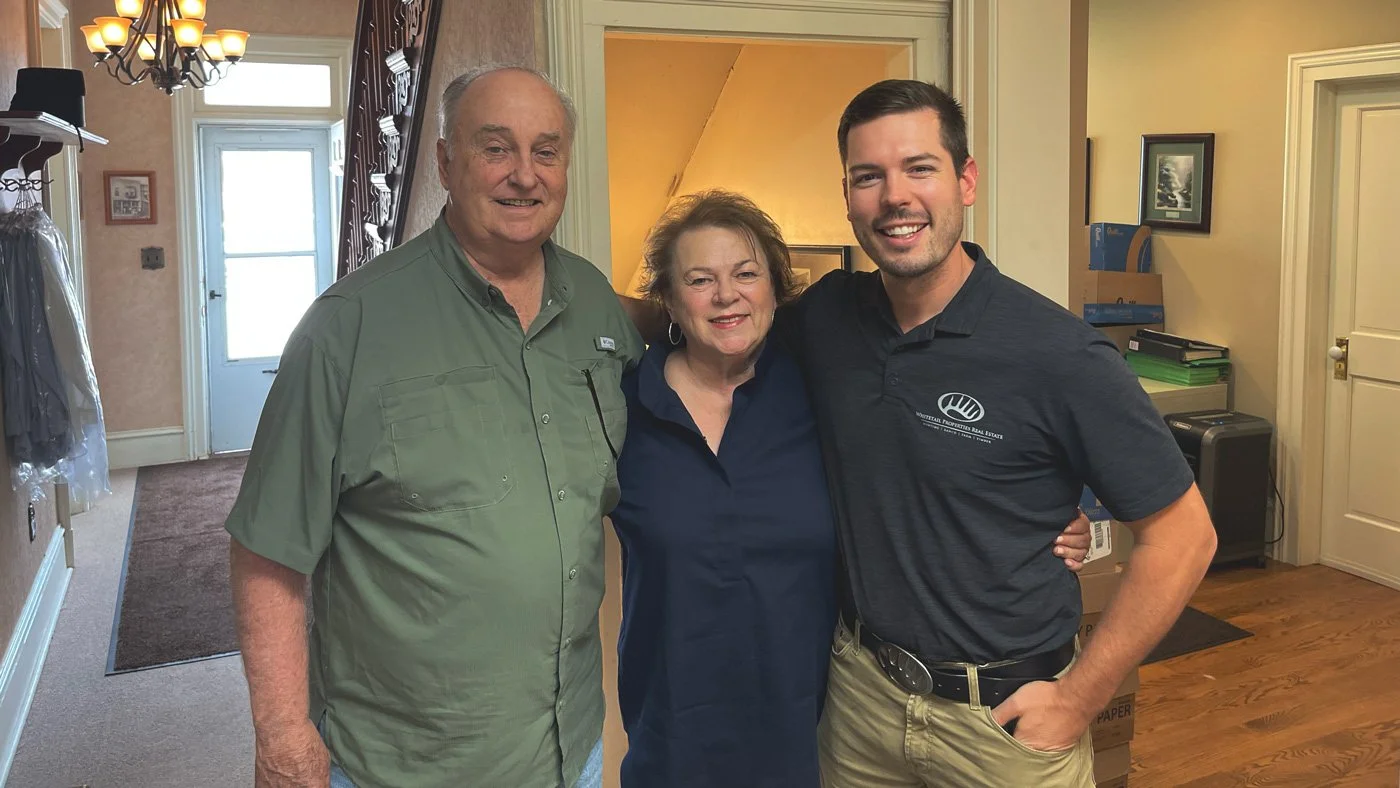
I represented Doc and Ms. Caroline Jones in the sale of their beloved Fox River Farm.
I, along with my brothers and sisters at Whitetail Properties Real Estate, are proud to be The Original Land Specialists, bringing market knowledge, experience, and professional enthusiasm to get you big results. Many new agents have popped up during recent easy real estate cycles with desperate tactics and pushy salesmanship, but nothing replaces tenured experience. Choose an agent with experience in both strong and soft markets, and who can give guidance rather than just the comfortable answer. The good ones keep you informed and manage the details that can steer a deal in the right direction.
Setting a Realistic Price
This is where things can go wrong. We all want the highest number possible—thats a natural desire. But overshooting the mark will hurt you during the most critical time of the selling process: the initial listing launch.
A full-time, experienced Land Specialist will know comparable sales in your area, and why certain properties sold at certain amounts. Understand that turnkey farms in high-profile areas will bring a premium, while those that don’t have the enhancements or deer history are simply not worth as much per acre. In my country of southern Iowa, the swing from a primo farm can be 10-20% more than an unproven one. Price strategically in a realistic range to attract serious buyers, not overshoot the value and hope to get a grand-slam offer. Hunting land is a very defined market, and asking more than what the farm is likely worth is a good way to stagnate your listing, and eventually sell it for less than what its worth.
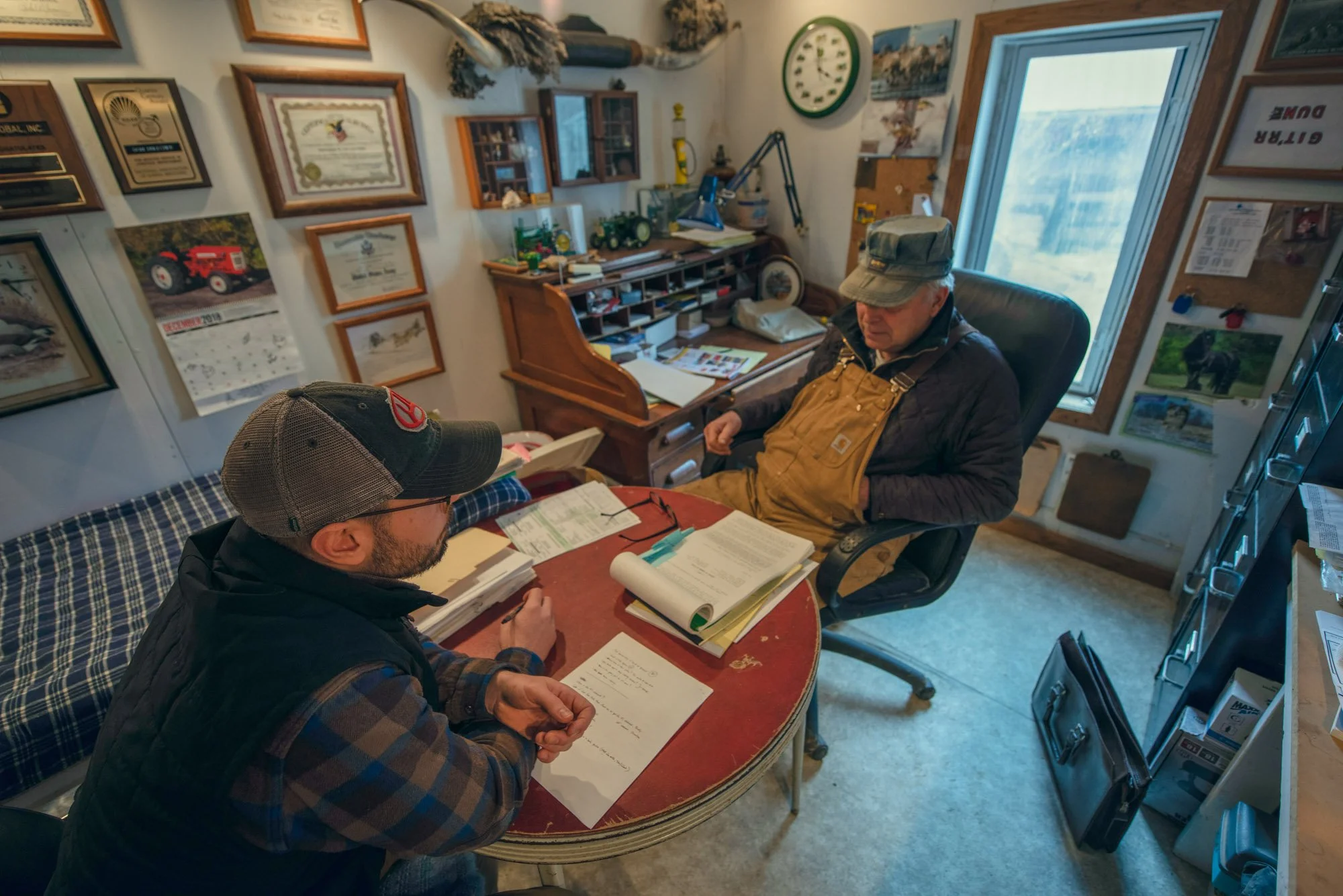
Work with a full time, experienced Land Specialist that knows the local land market.
Preparing the Land
Hunting land can have curb edge appeal. A farm that’s trimmed up will show way better than one that looks ungroomed. Sure, there needs to be those thick nasty areas, but getting around on a clean lane is ideal. Mowing a trail network along field edges is the highest returning cheap investment you can make. Tighten gates and pour a layer of fresh gravel on the driveway if needed. Work the dirt if approaching food plot season, don’t leave the field fallow. Small touches go a long way—cleaning crossings, cutting overhanging branches, and even marking property lines will help a buyer feel like the property is cared for.
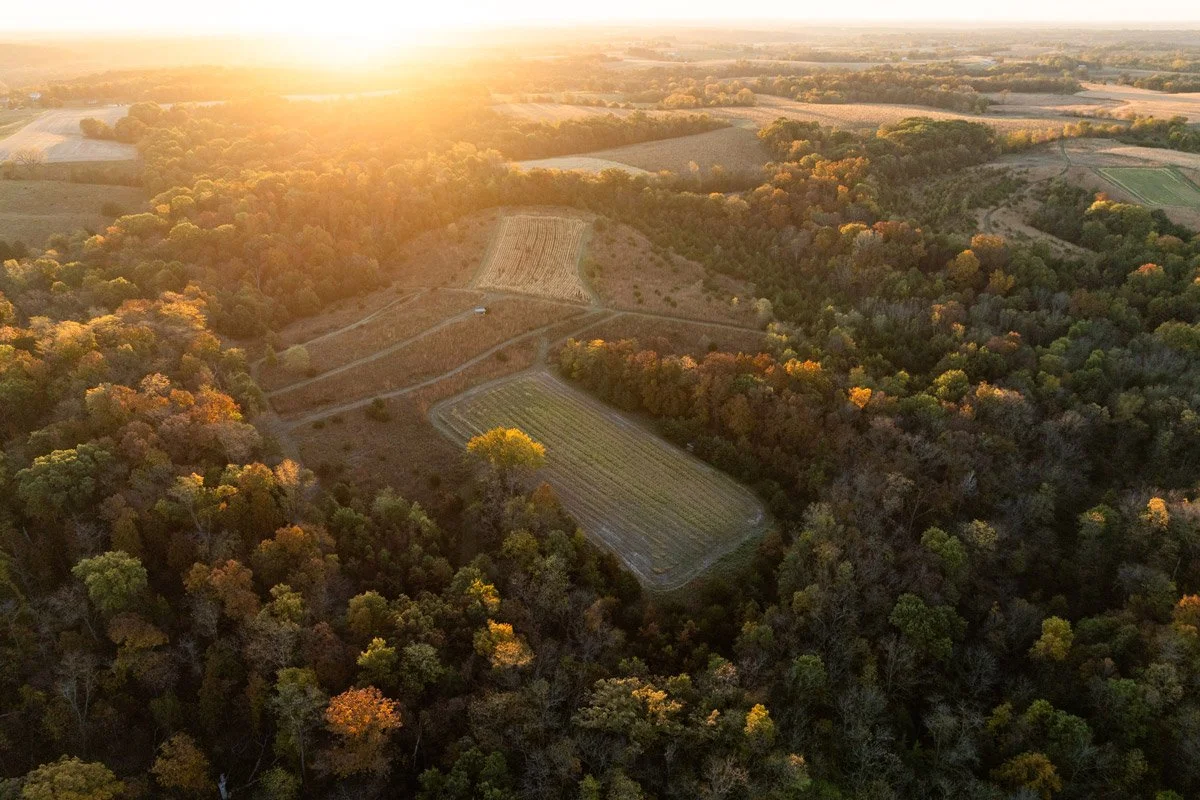
The golden hour on a dialed southeast Iowa hunting farm.
If there’s a cabin or house on the farm, tidy it up. The same goes with the shop—organize the tools and equipment, and blow out the dirt. Buyers notice when a space feels maintained, and it sets the tone for how they view the rest of the property.
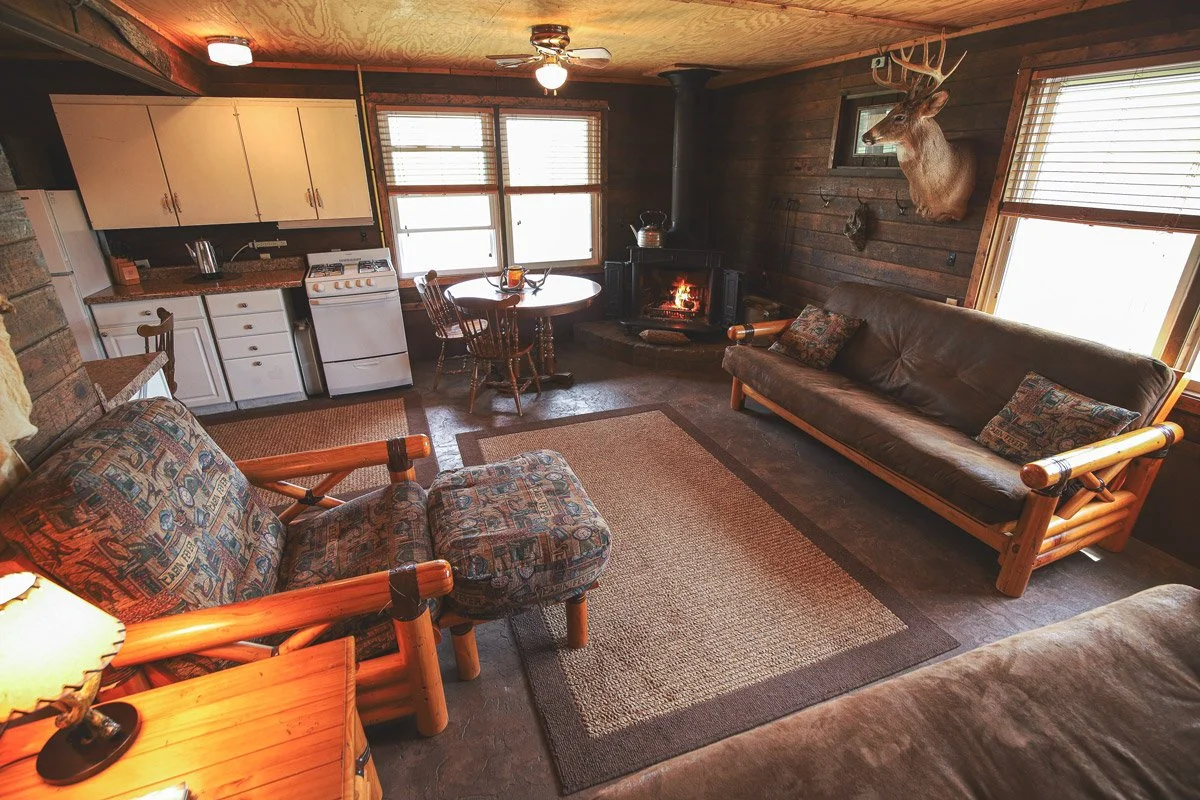
A tidy interior goes a long way into conveying pride of ownership.
Marketing Your Farm
Marketing a hunting farm is more than putting up a sign and a social media post. High-quality video tours, professional photos, drone footage, and detailed mapping give buyers confidence to schedule a showing. I’ll discuss trail camera images specifically, and will dive deep in a future article. But most importantly, take the time to save the native JPG files from the camera SD card and save them in a library. Low resolution screenshots of a cell cam feed is a lazy look and you can’t see the timestamp; go through the effort of saving high resolution files. Also, don’t take a tilted photo of a trailcam picture on a computer screen—that unrealistically exaggerates the size of the deer.
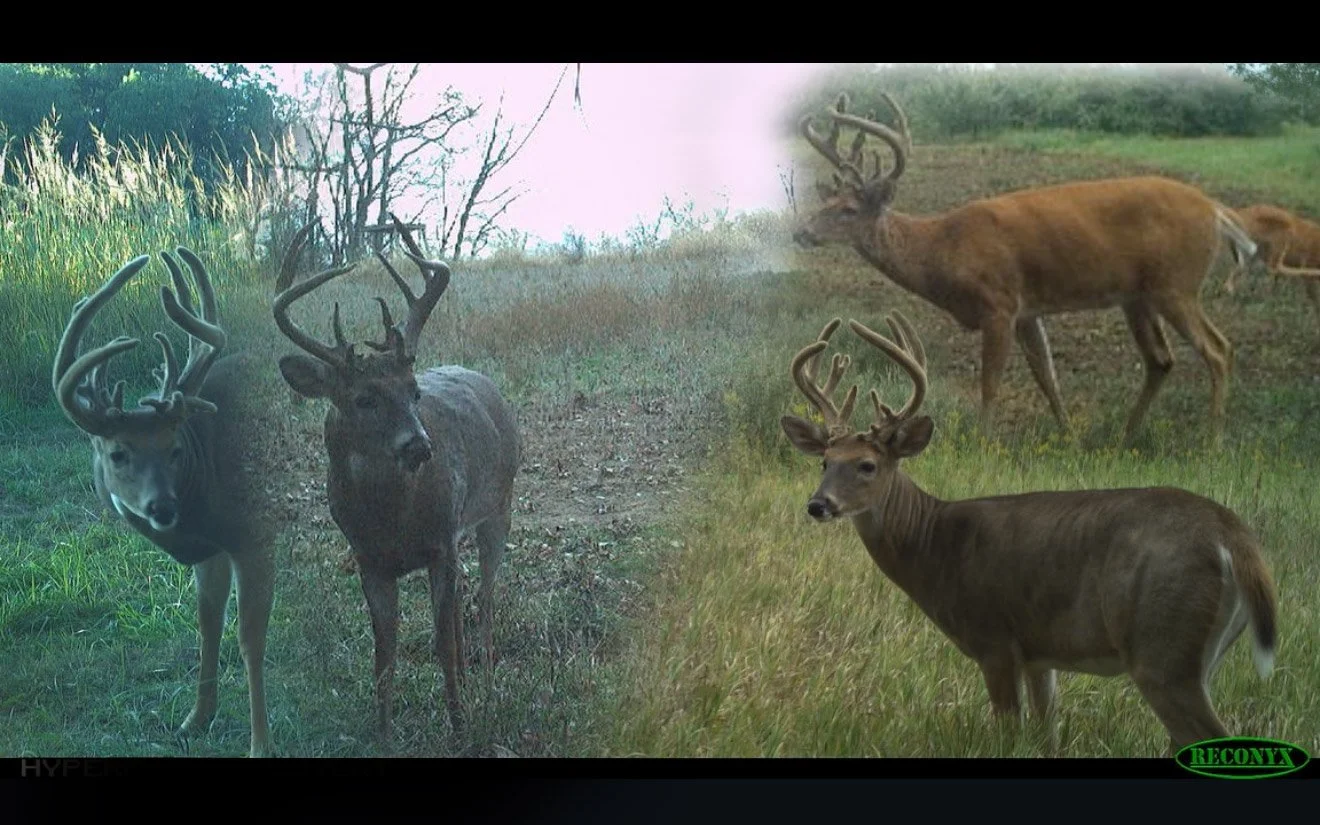
Keep thorough trail camera records of deer to build history of the farm’s capabilities.
A good agent will assemble all of the information about your farm in an easily digestible format. They’ll make an information packet that includes various maps, Farm Service Agency information, CRP contracts, and real estate disclosures. A seasoned land agent will have a curated buyer database that they’ve earned over the years. They’ll tour qualified buyers around the ground in a comfortable UTV or truck, and empower the buyer with information so they can envision ownership from the moment they step on the land.
The best agents give maximum exposure in multiple ways to reach buyers nationally, regionally, and locally.
The Closing Process
Once you’ve got a buyer and the terms are negotiated, the process moves into any contingency work, a possible appraisal and financing period, abstracting and title work, and eventually a closing. A good Land Specialist will coordinate with attorneys, lenders, and closing agents to keep everything on track. Title work, surveys, contingencies, and tenant agreements need to be handled properly so there are no surprises. Many closings today can be done remotely, which saves time and hassle for both sides. Clear communication is key so you know as a buyer or seller exactly what’s happening toward closing day.
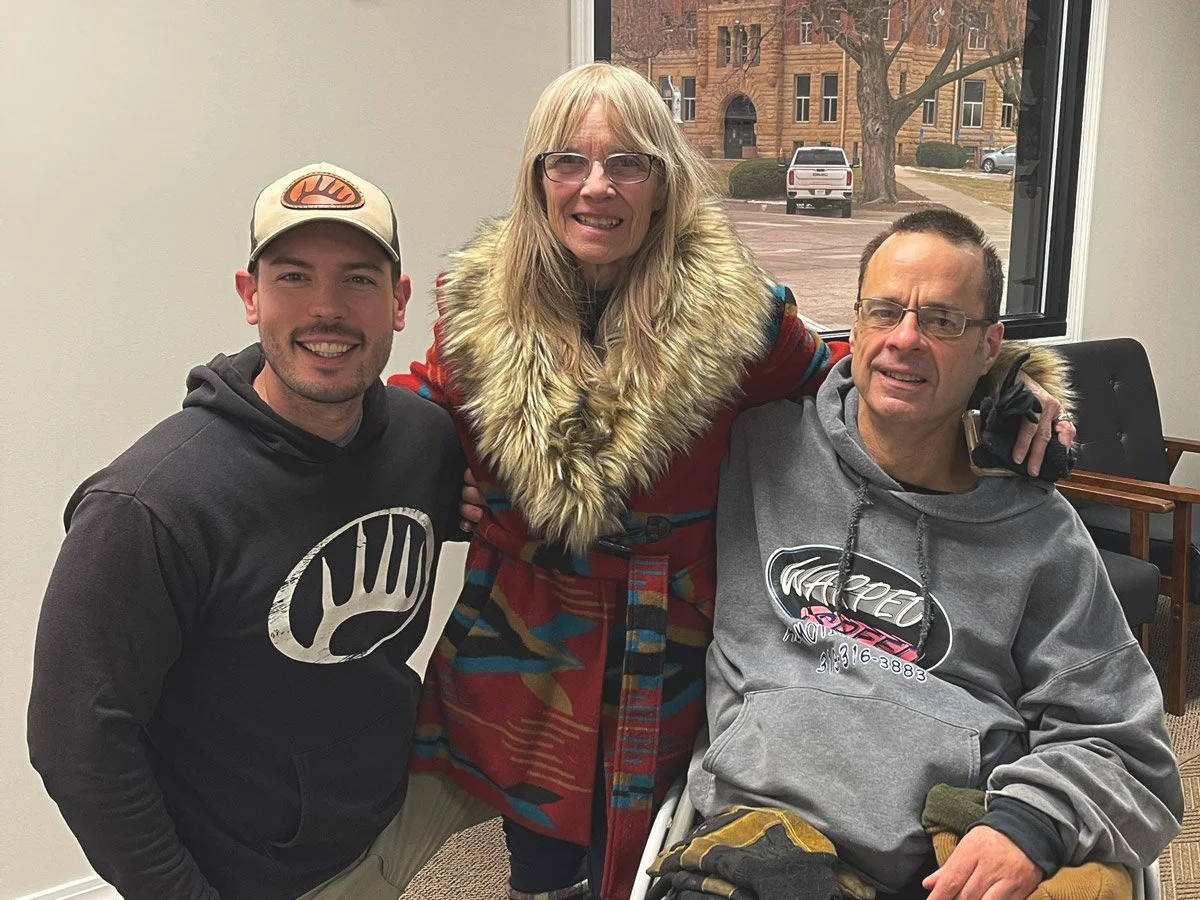
A good agent takes pride in ensuring a smooth and well communicated closing process.
In Conclusion
Selling a hunting farm is more than just a transaction—it’s a process that requires preparation, realistic expectations, and professional guidance. By understanding value, choosing the right price, setting the stage, and working with an experienced Land Specialist, you can maximize your return and get a good deal all around as you pass the property on with confidence.
If you’re looking to buy or sell land, consider talking to one of our Land Specialists at Whitetail Properties. I think that we’re the best in the business—built on a selective hiring process and a headquarters staff that helps us sell strong for our clients every single day.